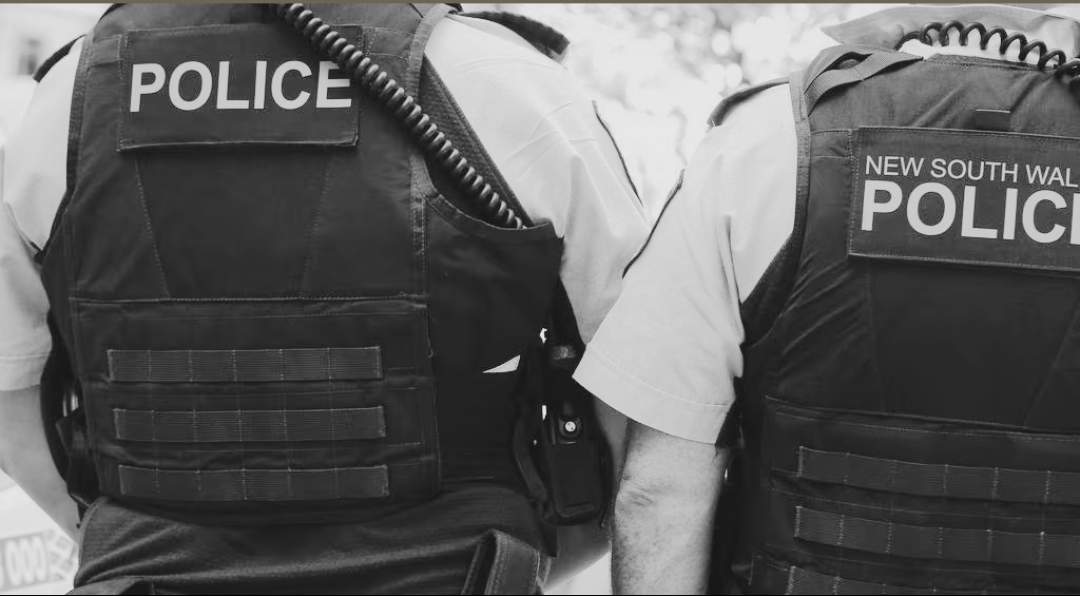
Police searches in NSW are governed primarily by the Law Enforcement (Powers and Responsibilities) Act 2002 (NSW) (LEPRA), which outlines the circumstances under which police can conduct searches and the rights of individuals.
Additional laws, such as the Road Transport Act 2013 (NSW) for vehicle searches, also apply.
Knowing the legal basis for searches is crucial to understand and protect your rights.
Types of Police Searches
1. Personal Searches
Governed by sections 30 and 31 of LEPRA.
Frisk Search (Section 30, LEPRA): Police are empowered to quickly run their hands over clothing, ask you to remove certain pieces of clothing, and run a metal detector over the exterior of your clothes.
Strip Search (Section 31): A more invasive search requiring removal of clothing, only permitted in serious cases with strict safeguards. Where the search is being carried out in a police station or other place of detention, the officer must suspect on reasonable grounds that it is necessary. In the case where the search is carried out in any other place, the police officer must also consider that the seriousness and urgency of the circumstances make the strip search necessary.
A strip search cannot be conducted on a person who is under the age of 10 years.
2. Vehicle Searches
Governed by section 36 of LEPRA.
A police officer may, without a warrant, stop, search and detain a vehicle if the police officer suspects on reasonable grounds that:
- The vehicle or person within has anything stolen in their possession;
- The vehicle is being used for the commission of, or in connection with, a relevant offence;
- Contains anything within used for the commission of a relevant offence;
- The vehicle contains a dangerous item when within a public space or vicinity of a school;
- Contains a prohibited plant of drug;
- Or there is a serious risk to public safety given the circumstances or location of the vehicle.
3. Premises Searches
Governed by sections 47 and 48 of LEPRA.
Unless urgent circumstances apply, a search warrant is required to search a home or business.
When Can Police Conduct a Search?
Police must have a legal basis to conduct a search, as outlined in LEPRA and other statutes. Common grounds include:
1. Reasonable Suspicion:
• Police must reasonably suspect you possess prohibited items or evidence of an offence.
• Reasonable suspicion involves less than a reasonable belief but more than a possibility. It means the suspicion must be based on specific and articulable facts that would lead a reasonable person to the same conclusion. Mere hunches or generalisations are insufficient
• This condition applies to personal and vehicle searches without a warrant.
2. Search Warrant (Section 47):
• Required for most premises’ searches. The warrant is issued by an eligible issuing officer or authorised.
• The warrant to be legally relied on must specify the scope and purpose of the search, and the police are required to show it upon request.
3. Consent (Section 34A):
• Police may ask for your permission to search. You have the right to refuse unless other grounds exist.
• This consent must be given before the search is carried out.
4. Arrest (Section 28A):
• If arrested, police can search you or your immediate surroundings for evidence or safety reasons. Thy can then seize and detain anything found on that search.
• This search may be carried out at a police station or other area of detention, or immediate before or during transportation to a place of detention.
5. Emergency Powers:
• In urgent situations, police may search without a warrant. However, strict conditions apply.
Your Rights During a Police Search
As an individual in NSW, you have specific rights during a police search, designed to balance law enforcement powers with personal protections. These rights, enshrined in LEPRA, include:
1. Right to Be Informed (Section 34A):
• Police must provide their name, rank, and station before asking for consent to conduct a search, unless in an emergency.
2. Right to Refuse Consent:
• You are not obligated to consent to a search unless police have a warrant, reasonable suspicion, or other legal grounds. Refusal does not automatically justify a search.
3. Right to Privacy and Dignity (Section 32):
• Searches must be conducted in a way that minimises embarrassment and respects your dignity.
• Strip searches require a private area, an officer of the same sex (if practicable), and no unnecessary exposure. They are prohibited for children under 10 and restricted for those aged 10–17.
4. Right to Safety:
• Police cannot use excessive force during a search. Any force must be reasonable and proportionate.
5. Right to Silence:
• You are not required to answer questions during a search, unless otherwise required by law to do so, except to provide your name and address if reasonably requested.
• Statements made during a search can be used as evidence, so you should seek legal advice before speaking to police.
If you believe you have been subject to an unlawful search, or are facing criminal charges following a search, our team can help you. Contact us on 0421 700 497 for no-obligation consultation where you’ll speak directly with an experienced criminal lawyer who will listen to your concerns, explain your legal options, and guide you on the best way forward.
Written by Ruby Bickford, published 17 September 2026.
The contents of this article is general in nature and does not constitute legal advice.